
🔄 Live Service (Games as a Service)
Quick Summary
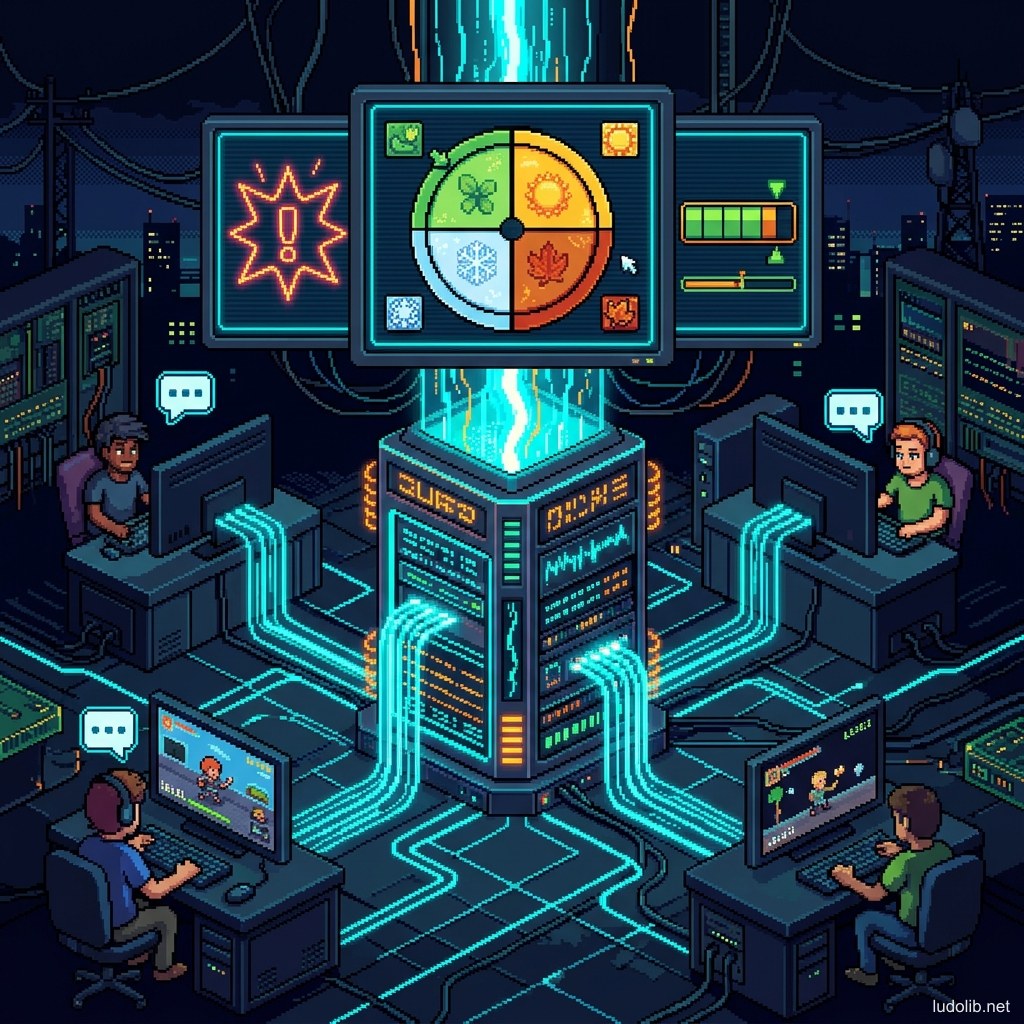
Live Service (Games as a Service / GaaS) is a game operation model where the game is treated as an ongoing service rather than a finished product. The game continuously receives content updates, events, and new features over months or years post-launch — funded by player spending.
What Defines a Live Service Game?
- Continuous content cadence: Regular seasonal content, patches, and events keep the game fresh.
- Online-dependent: The experience requires persistent internet connection.
- Monetization-driven design: Revenue comes post-launch through IAP, IAA, Battle Passes, or DLC.
- Community-centric: Player feedback actively shapes ongoing development priorities.
- No defined “end”: The game is designed to operate indefinitely.
Core Pillars
1. LiveOps (Live Operations)
The team responsible for running time-limited events, managing server infrastructure, responding to player data, and deploying rapid balance patches. LiveOps is the operational heart of any Live Service title.
2. Seasonal Content
Most Live Service games operate on “Seasons” — fixed-length periods (typically 2–3 months) with themed content, Battle Passes, and event rewards.
3. Meta Evolution
The competitive meta, character balance, and strategic landscape intentionally shift between seasons to maintain player engagement and create news cycles.
Notable Live Service Examples
- Fortnite (Epic Games): The defining Live Service title — continuous seasons since 2017 with no sign of stopping.
- Genshin Impact (HoYoverse): Hybrid B2P + Gacha Live Service model generating billions annually.
- League of Legends (Riot Games): 14+ years of continuous Live Service operation.
Risks and Criticisms
- Live Service games can suffer from content droughts between updates, driving Churn Rate spikes.
- Player expectations for continuous free content create unsustainable development demands.
- Server shutdown ends the game permanently — historical preservation is impossible.