
🟩 Xbox Game Pass
Quick Summary
Xbox Game Pass is Microsoft’s subscription gaming service — often described as “Netflix for games.” For $10–15/month, subscribers access a library of 400+ games including all Microsoft first-party titles on launch day.
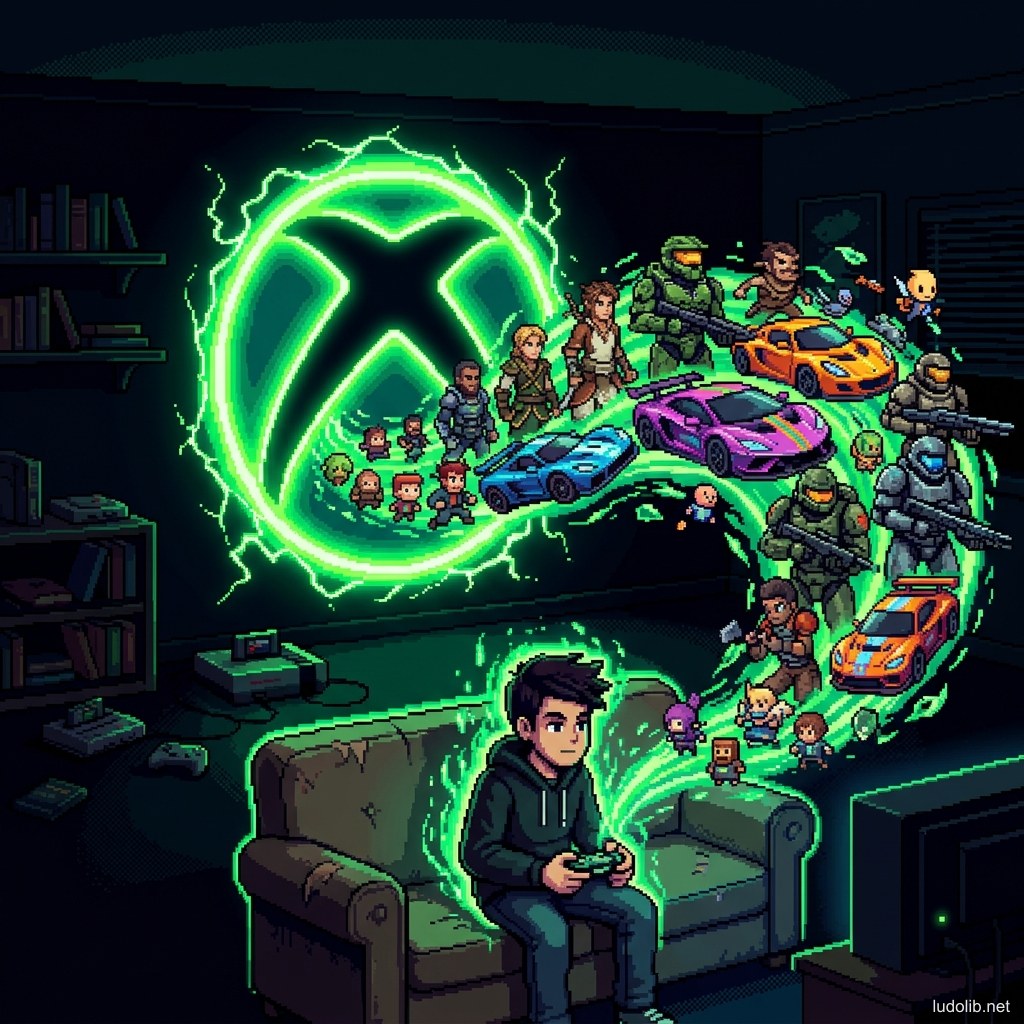
The Subscription Model Shift
Before Game Pass (launched 2017), the game industry operated primarily on the Premium (Buy-to-Play) model: pay ~$60 once to own a game permanently.
With Game Pass, Microsoft applied the Netflix/Spotify model to gaming. Players pay monthly to access a rotating library. When a game leaves the library, or when you stop paying, you lose access.
The key attraction: Microsoft committed to delivering all Xbox Game Studios first-party titles (Halo, Forza, Starfield, etc.) on Day One into Game Pass — a massive financial proposition for subscribers.
The Acquisition Strategy
To sustain Game Pass with high-quality first-party content, Microsoft executed the most aggressive studio acquisition campaign in gaming history:
- 2014: Mojang (Minecraft) — $2.5B
- 2021: ZeniMax/Bethesda (Fallout, Elder Scrolls, Doom, Dishonored) — $7.5B
- 2023: Activision Blizzard (Call of Duty, Diablo, Overwatch) — $68.7B
Impact on Game Development
- Positive for Indie developers: Microsoft pays significant upfront fees to add indie games, guaranteeing revenue before launch.
- Risk of cannibalization: Sony and others argue that Game Pass “devalues AAA games” — releasing a $200M production essentially free to subscribers pressures all publishers toward live-service microtransaction design.
Cloud Gaming Future
Microsoft’s ultimate goal is Xbox Cloud Gaming (xCloud) — streaming Game Pass titles to any device (smartphone, smart TV, budget laptop) without requiring dedicated hardware.