
🎰 Gacha
Quick Summary
Gacha is a monetization mechanic borrowed from Japanese capsule-toy machines. Players spend real or in-game currency for a chance to receive random rewards — characters, items, or skins. The mechanic is central to the business model of many mobile games.
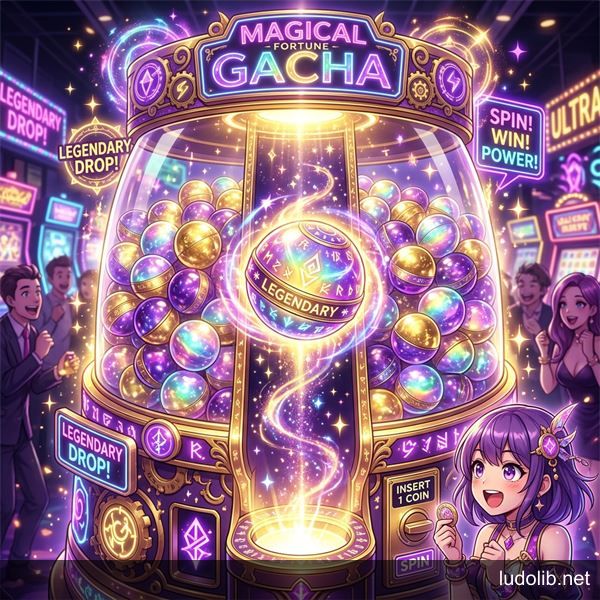
The Gacha system is built on the same psychological principles as slot machines: variable ratio reinforcement — unpredictable rewards create stronger compulsive behaviors than predictable ones.
Core Components
- RNG: The outcome of each pull is determined by a random number generator weighted by rarity tiers.
- Pity System: Most modern gacha games implement soft/hard pity — guaranteeing a rare item after a certain number of pulls to prevent extreme bad luck.
- Banners/Events: Limited-time character/item availability creates FOMO (Fear of Missing Out) pressure.
Business Impact
Gacha is the primary revenue driver for most mobile games. A small percentage of players (sometimes called “whales”) spend extremely large sums, subsidizing the experience for the majority who spend nothing.
Regulatory Concerns
Several countries have debated or implemented regulations on gacha mechanics, treating them as similar to gambling due to their probabilistic reward structure.