
🏚️ Environmental Storytelling in Games
TL;DR: Environmental Storytelling is the technique of telling stories through the design of the environment and objects in game space — without using dialogue or cutscenes. This is the highest form of Narrative Design — allowing players to actively explore and deduce the story themselves.
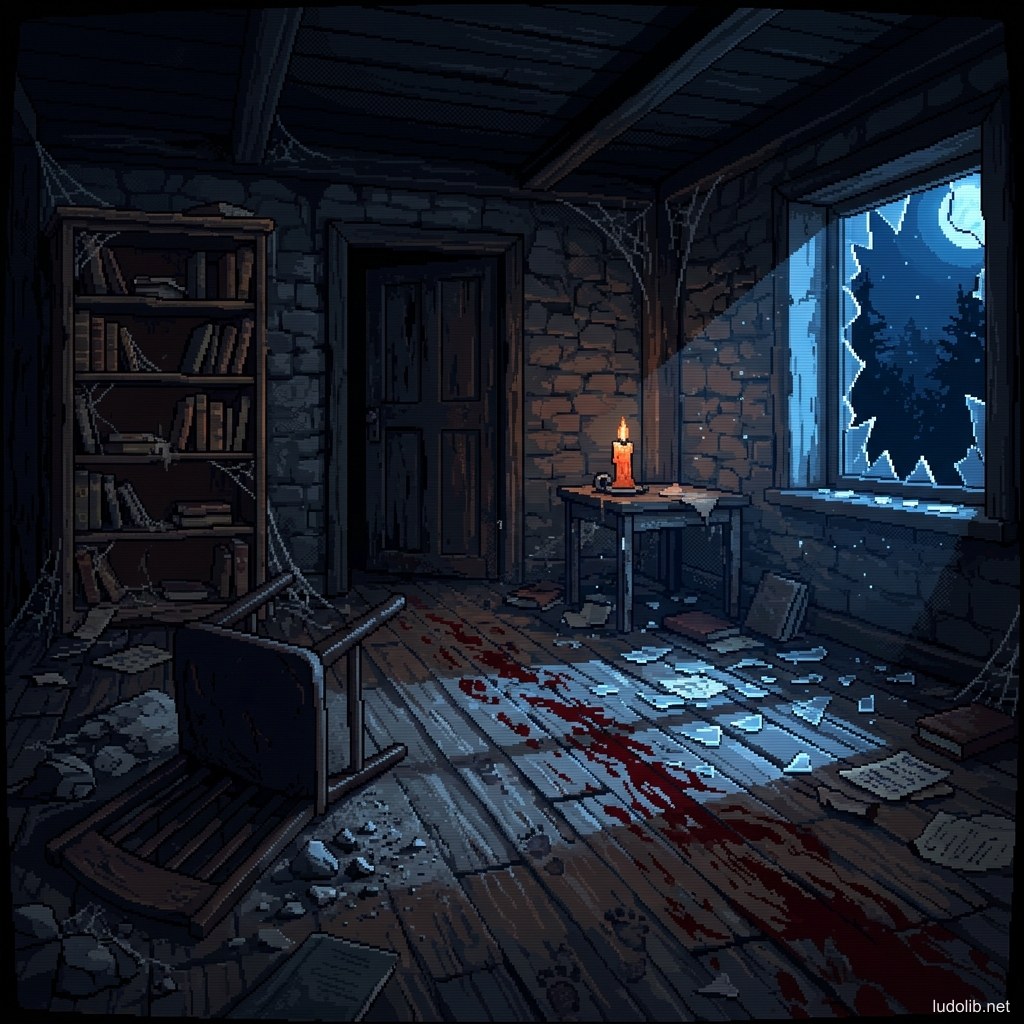
A ruined room with an overturned chair, dried blood leading toward a slightly open door, and a family photo on the table with a broken frame — no text at all, but players immediately understand what happened here. That is the power of Environmental Storytelling.
Core Concepts
Environmental Storytelling operates on the “Show, don’t tell” principle. Rather than using text or dialogue to explain world history, designers place artifacts (objects, ruins, traces) in the space for players to read and deduce on their own [S1].
| Technique | Description | Notable Example |
|---|---|---|
| Props & Scatter | Objects intentionally placed to suggest prior activity | Unfinished meal, scattered broken dishes |
| Decals & Graffiti | Scratches, burn marks, wall writing revealing resident attitudes | ”They Will Return” written in blood |
| Lighting Cues | Light guiding attention to important details | Ray of light shining directly on key item |
| Architecture Narrative | Architecture itself tells social stories | Rich district: tall walls; poor district: crumbling walls |
| NPC Behavior | NPC behavior reflects world history | Villagers avoid a specific alley |
Operating Principles
Three Layers of Information
Level designers typically design environments with 3 information layers [S2]:
- Foreground: Details directly before the player’s eyes — broken flower vase, muddy footprints.
- Midground: Overall space — a room ransacked and burned, a looted store.
- Background: World context — an abandoned city, a massive factory across the river.
The “Three Objects” Rule
A famous technique in the game design community: to tell a credible small story in a space, at least 3 related objects must be placed near each other. One object is random, two is coincidence, three is an intentional story [S1].
Game Examples
- Dark Souls (FromSoftware) — The entire history of the world of Lordran is told through item descriptions, crumbling architecture, and positions of NPC corpses. No narrator, no explanatory cutscenes — players must actively deduce [S3].
- Bioshock (Irrational Games, 2007) — The city of Rapture tells the story of extreme libertarianism’s collapse purely through deteriorating Art Deco architecture, old banners, and scattered audio diaries.
- The Last of Us (Naughty Dog) — Every abandoned house has its own story: a last meal, children’s toys, family photos. Considered the gold standard of this technique [S2].
Trade-offs
| Aspect | Content |
|---|---|
| ✅ Advantages | Increases immersion without interrupting gameplay. Ideal for players who enjoy exploration. Doesn’t require voice acting or writing dialogue. |
| ❌ Disadvantages | Casual players often skip past without noticing the story. Requires close coordination between Writer, Level Designer, and Artist. |
| ⚠️ Common Pitfall | Information overload (visual clutter) leaves players unable to distinguish what’s important narrative information vs. pure decoration. |