
⚔️ Encounter Design
Quick Summary
Encounter Design is a specialized subsystem of spatial design (Level Design) and combat algorithms (Combat Design). This method focuses on calculating and arranging the volume structure of machine characters (NPCs/Enemies) within a specific combat space to establish an interactive pressure test for the player.
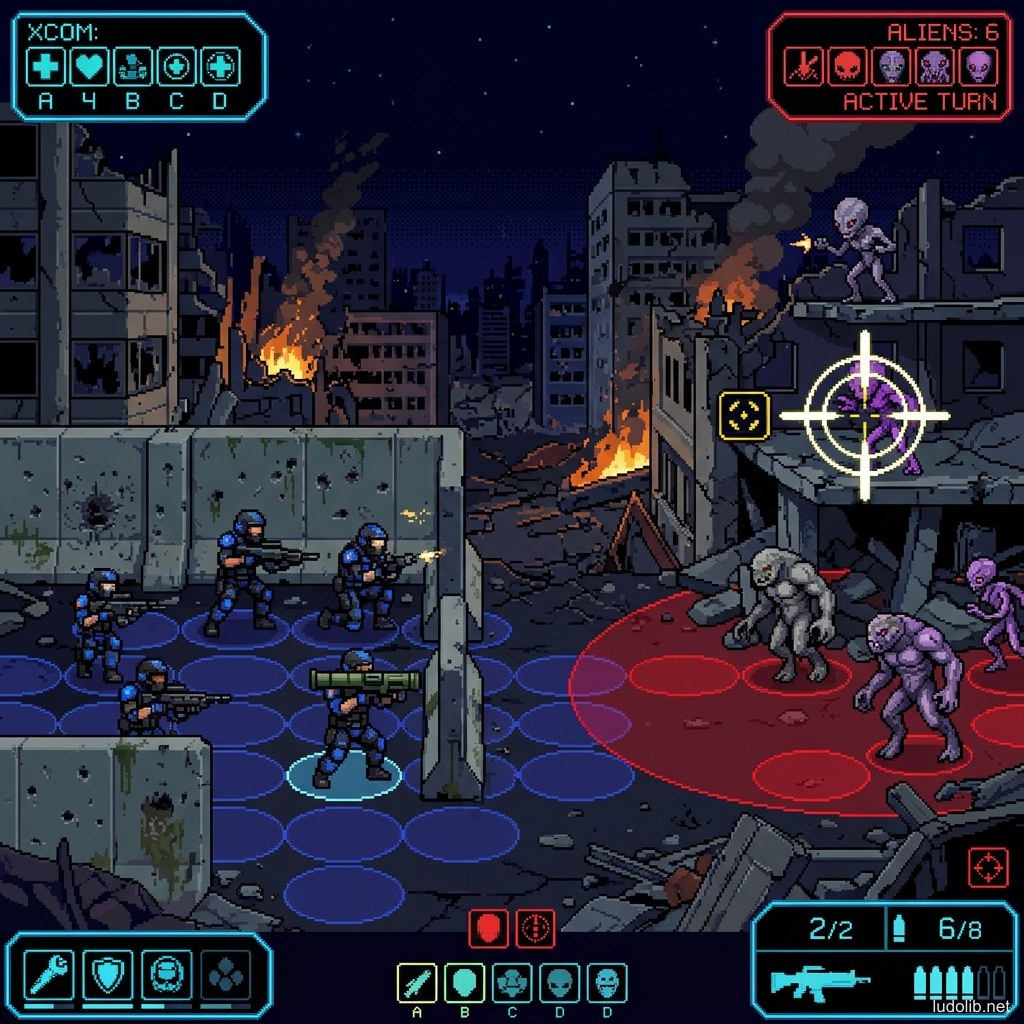 Illustration: Encounter Design structure, where the character faces a grid of fire from multiple monster types intentionally arranged on the map layout by developers.
Encounter Design solves the input variable system of the combat experience. This design process operates a rule calculation set answering crucial criteria: “Within a localized combat space limit, how many antagonistic entities will the algorithm summon, corresponding to which character classes (Class), and how is the appearance timeline (Scripting) arranged?“.
Basic System Components
A standard Encounter structure is established based on an intentional variable system, rather than dropping random algorithmic parameters:
- Enemy Composition/Synergy: Establishing connections between multiple skill archetypes to limit or force the player’s behavior zone.
- Technical Example: Pairing 2 frontline Tank/Shield melee units operating in parallel with 1 long-range damage unit behind them (Sniper/Mage). Setting this data forces the user to initiate a Target Priority algorithm or alter movement trajectories instead of just linearly mashing the static attack button.
- Exploiting the Physical Spatial Grid (Arena Design):
- The design team creates direct environmental governance over the situation. The Combat Arena layout is often linked with Cover Systems, environmental interactions (Explosives, traps), or multi-level Z-axis coordinate disparities (Verticality) to create distance risk stratification on the physical grid.
- Wave Pacing: Algorithms that load enemy streams according to progression to manage the user’s physiological feedback bar. Hostile data rarely spawns entirely at once, but is compiled to appear in Waves. The first wave establishes the tempo and tests the loop, while subsequent hidden data waves pour on skill intensity through Elite Units.
Management Loop Application
In projects dependent on high-intensity mechanical combat density like Doom Eternal or Destiny 2, Encounter Design plays the role of maintaining the stability of the concentration state (Flow state). The task of splitting NPC survival variable combinations into “Dynamic tactical puzzles” forces the control reflex system to continuously self-evaluate and refresh weapon switching cycles as well as hidden resource inventory management, thereby eliminating system negligence loops.