
🥁 Taiko no Tatsujin (太鼓の達人)
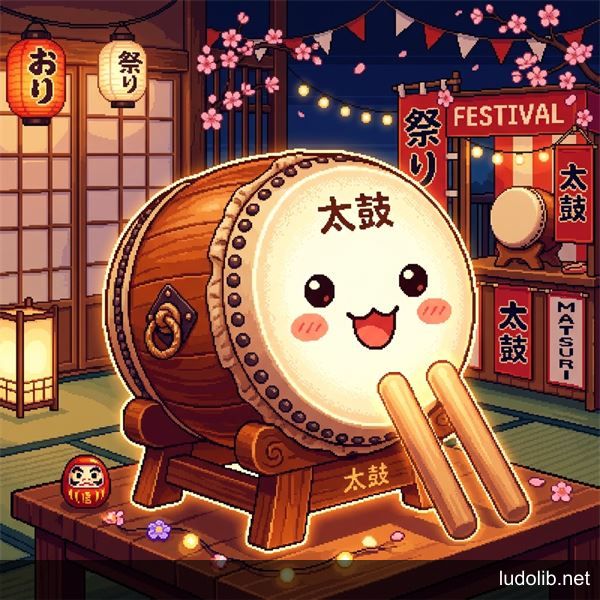
“Don don don don, katsu katsu katsu…” — The audio loop etched into the memory of millions of Japanese gamers
Basic Information
| Developer | Bandai Namco Entertainment |
| Release Year | 2001 (Japanese Arcade machine) |
| Genre | Arcade & Rhythm |
| Platform | Arcade, PS2, DS, Wii, PS4, Nintendo Switch, Mobile |
1. What is Taiko no Tatsujin?
Taiko no Tatsujin (roughly translated: Master of the Taiko Drum) is one of the longest-running and most successful rhythm game franchises in Japan, developed by Bandai Namco. Players use drumsticks to hit a virtual drum (or a physical drum in the Arcade version) in sync with the stream of Notes flowing from right to left on screen.
The game is deeply imbued with Japanese cultural identity — the mascot characters are two animated drumsticks named Don and Katsu, with a soundtrack spanning J-Pop, Anime OSTs, Vocaloid, classic music, and folk music.
2. Core Mechanics
This is a classic example of Game Mechanics designed with extreme purity:
- Don (red): Hit the center of the drum (the face). On a regular controller, this is the face button.
- Katsu (blue): Hit the rim of the drum (the edge). On a regular controller, this is the shoulder button.
- Drumroll: Hit as fast as possible continuously within the allowed time frame.
- Big Notes: A larger version of Don/Katsu, requiring both drumsticks simultaneously.
Timing Window: The note evaluation system is divided into 3 levels: Perfect (良), Good (可), Miss (不可). Unlike many modern rhythm games, Taiko has no “Great” tier or stacking bonus chains — this simplicity is itself its strength.
3. Why Did Taiko Become an Arcade Legend?
Hardware Design Resonating with Gameplay
In the Arcade machine version, the physical drum is the controller — hit correctly, with force, with rhythm. The physical haptic feedback is completely different from pressing regular buttons, creating a type of audio experience impossible to replicate on a home console.
Massive Song List
After over 20 years of development, Taiko’s music collection has grown to thousands of songs, including licensed music from famous Anime (Naruto, One Piece, Demon Slayer), Vocaloid (Hatsune Miku), down to classical Johann Sebastian Bach.
Scalable Difficulty
From Easy for children to Oni (Demon) with note densities reaching 1200 notes/minute — Taiko simultaneously serves 4-year-old customers and professional players competing in international tournaments.
4. Legacy & Influence
Taiko no Tatsujin pioneered the proof that a music game can build its own culture and loyal community across decades. The “Song Pack DLC” model (buying additional song packs) that Taiko applied early on later became the industry standard for the entire rhythm game genre.
See also other games in the genre: Osu!, Guitar Hero, Beat Saber, Geometry Dash