
🔫 Third-Person Shooter (TPS)
Quick Summary
Third-Person Shooter (TPS) is a shooting game franchise where the camera is positioned behind and slightly above the protagonist. This design allows players to observe the character’s full appearance and movements relative to the surrounding environment.
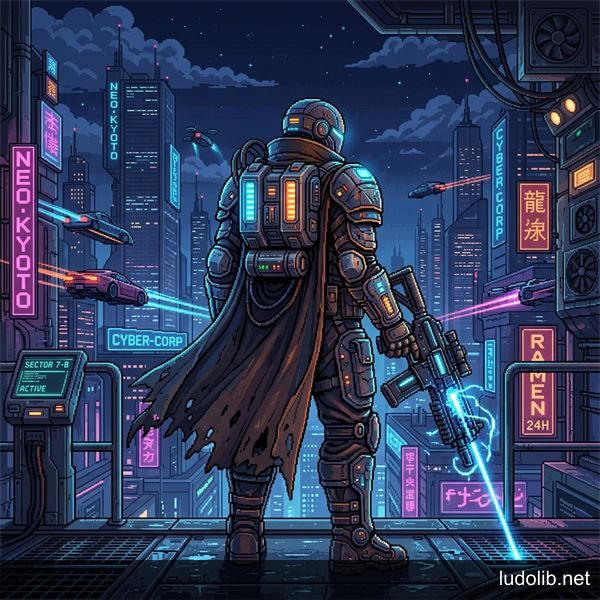
Third-Person Shooter (TPS) is a core variant of the Action-Shooter genre. Its greatest technical characteristic is the camera position (typically an over-the-shoulder view). Thanks to the receded viewing angle, players not only resolve aiming targets but also encompass the character’s full body form and the geographic space surrounding them.
Mechanic-Defining Characteristics
Pulling the camera angle from the character’s eyes back behind their shoulders creates clearly distinct design separations between TPS and FPS:
- Broad Spatial Awareness: Players can perceive dangers from dead angles — expanding the ability to observe Obstacles to execute climbing, swinging, and complex terrain traversal maneuvers.
- Cover System: This is TPS’s foundational defining mechanic in the modern era. Characters can press their back against walls while the camera angle still allows players to see around corners without exposing themselves to enemy fire.
- Cosmetic Customization: TPS allows players to visually observe the full clothing, armor, and weapon systems they carry. This characteristic strongly drives the development of Game Monetization Models on item stores (Skins) — driving enormous commercial success (classic examples: Fortnite, PUBG).
Genre-Defining Works
- Gears of War series: The brand that laid the foundational standard for cover system combat mechanics and heavy, practical shooting rhythm.
- Fortnite: A battle royale game combining building skills, notable for its cosmetic customization system and one of the leading TPS products in both player count and revenue.
- The Division / Ghost Recon: A game group representing the cross-breeding of third-person shooting with multi-player tactical formation calculation and shared-world online map structures.
- Action-Adventure Group: Many story masterpieces borrow TPS foundations to create combat pacing: The Last of Us, Uncharted, Resident Evil 4.
Connections
The third-person camera view provides large creative space for the landscape design department (Level Design) and cinematic storytelling (Narrative Design). This structure is not limited by the first-person screen focal point — helping games convey character body expressions and world structural grandeur more easily.