
🔍 Hidden Object
Quick Summary
Hidden Object Game (HOG) is a casual puzzle game group where players must search for and select correctly hidden objects blended into highly detailed images.
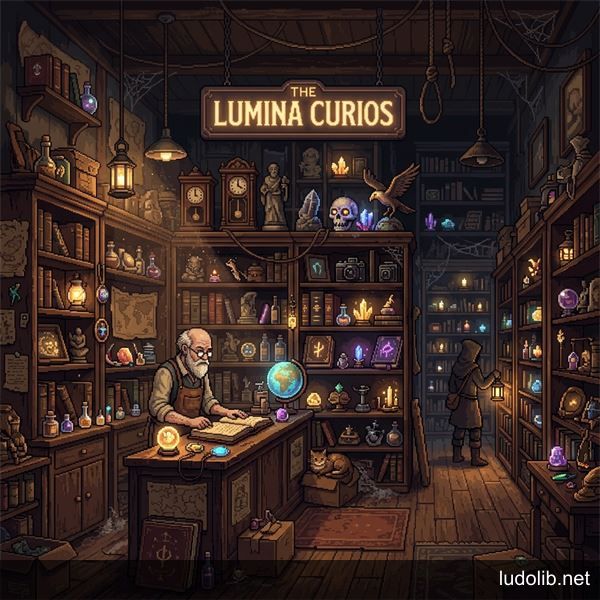
Hidden Object Game (HOG) is a sub-branch of the Puzzle game chart. The game’s sole mechanic directs players to visually search for listed items within a background space containing deceptive and detailed camouflage images.
History and Design Characteristics
Originating from simulations of famous printed search books like Where’s Wally?, this structure in the 2000s was developed by developers in computer space through point-and-click operations.
- Extremely Non-violent: HOG is a rare genre with nearly no action competition characteristics. Thanks to its static cognition-based structure, it reaches diverse audiences from the casual design representative user base.
- Micro-narrative embedding: To connect image sequences, HOG typically borrows the background setup of mystery investigation style, where items players search for also serve as data pieces that unlock story progress.
- Time mechanic: The sole challenge is sometimes set through countdown clocks to evaluate eye reflex scoring, or a penalty function when users click incorrectly into empty space too many times.
Representative Franchises
- Mystery Case Files series: The franchise considered the pillar that restructured Hidden Object in the graphic digitization development decade.
- Hidden Folks: A game with an impressively high-impact hand-drawn minimalist black-and-white segmented design combined with interactive animations.
Connections
Despite the very simple approach, the success of a Hidden Object game depends directly on the high-intensity work in the Art Design stage. The scenes require extremely large numbers of cleverly overlapping drawing layers, establishing reasonable blending shadow rules so objects “hide” naturally — precisely testing challenge while not being extreme for the Casual user group.